



Winter Holiday Destinations in Osaka and Kyoto

Winter in Japan is a highly sought-after season for Indonesian tourists. For the record, winter in Japan lasts from December to March. This can be your guide for planning a winter holiday in two cities at once during a single trip. Besides being known for their beautiful natural scenery, these two cities boast a rich cultural heritage of Japan.
Enjoy a different holiday experience by visiting famous tourist destinations in Osaka and Kyoto. See more below!
1. Osaka Castle
Opening hours: 09:00 - 17:00 local time.
Admission fee: 600 yen for adults, free for children.
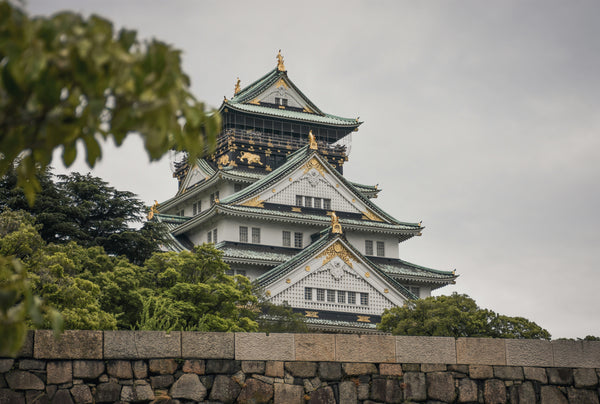
Starting with historical buildings, Osaka Castle Park invites visitors to explore historical wonders and beautiful natural scenery. Osaka Castle is surrounded by Nishinomaru Garden, filled with 300 cherry blossom trees and 1,270 plum blossom trees. At night, you can also enjoy the dazzling lights known as Osaka Castle Illuminage.
Osaka Castle has been reconstructed to resemble the work of the Tokugawa Shogunate, telling a long story of glory and the beauty of traditional Japanese architecture. Inside the castle, tourists can explore historical artifacts and delve deeper into the life of Hideyoshi Toyotomi, who led the construction in 1620.
Not only that, visitors can experience the charm of the castle while enjoying the beauty of Nishinomaru Garden and taking a boat ride around the castle. Children can enjoy it at no additional cost.
For those who wish to explore Nishinomaru Garden, there is an additional charge of 200 yen, or 350 yen during the cherry blossom viewing season.
2. Minoh Waterfall
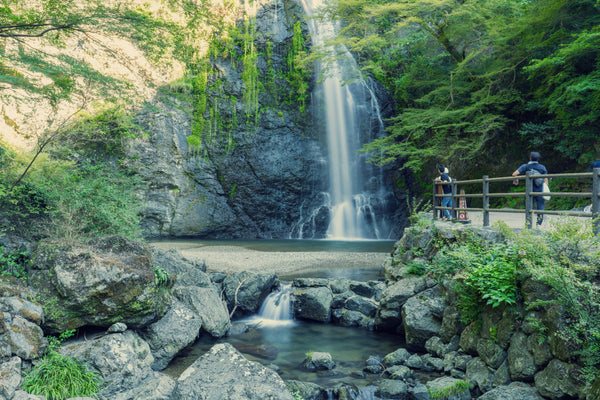
Winter in Osaka would not be complete without visiting Minoh Waterfall. Located within a National Park complex, this waterfall is known for its magnificent 33-meter high cascade.
This waterfall also has a rich history, established in 1967 to commemorate the 100th anniversary of the Meiji Imperial Period. Minoh Waterfall is also a favorite spot for Osaka residents to relax on weekends, thanks to the coolness provided by its 980 diverse tree species. When winter arrives, you can enjoy the beautiful white snow covering the spring trees and the magical white snow of winter.
After about a 10-minute walk from the entrance, you will see Minoh Temple, a center for Buddhist learning, especially from the Shugendo sect. Not far from the temple, you will find the red Ryuaji Bridge, a favorite photo spot for tourists who want to experience the beauty of history and nature around Minoh National Park.
If you continue your journey along the hiking trail to Minoh Waterfall, you will find the city government's Minoh Insect Museum. This museum serves as an artificial habitat for over 10,000 insect species and 30 butterfly species, perfect for family entertainment and children.
3. Kaiyukan Aquarium
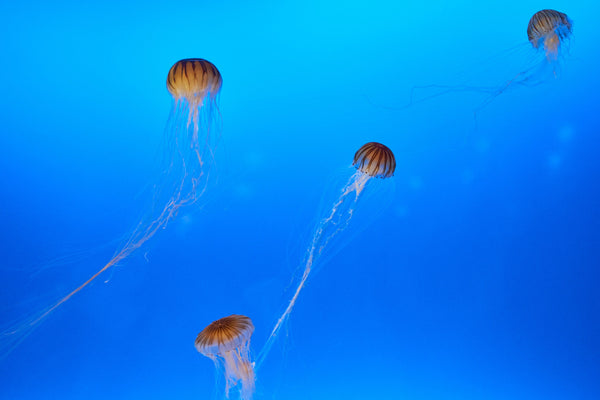
When visiting Osaka, don't miss out on visiting Japan's largest aquarium. Bring the kids to see marine life firsthand at Kaiyukan Aquarium Osaka, with 29,000 animals from 620 species. There are 16 exploration zones to delve into marine life from various angles.
Kaiyukan Aquarium Osaka presents the ambiance of the Pacific Ocean with a river flowing through the panorama of a Japanese rainforest and the diverse plant life of an American tropical forest.
In addition, there's the Jellyfish Galaxy, an underwater sky adorned with the floating beauty of Aurelia aurita. At Kaiyukan Aquarium Osaka, you can take photos with moon jellyfish and even encounter the unique fried egg jellyfish.
As dusk falls, Kaiyukan Aquarium Osaka transforms into a mysterious underwater world, with marine life moving like shadows under the moonlight. Specifically at 5 PM, there's a feeding time where visitors can watch penguins and sea lions eat in various zones, from Japan Forest to Monterey Bay.
5. Kuromon Ichiba Market
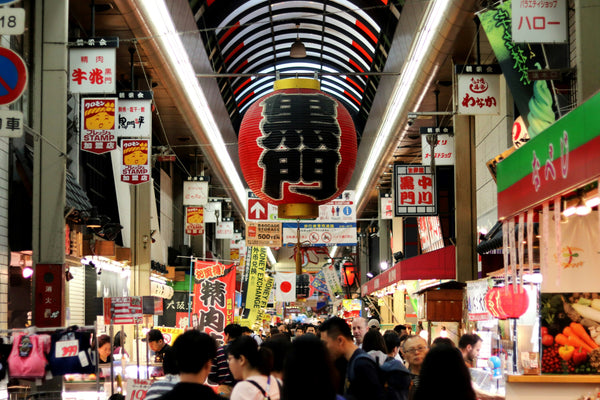
Kuromon Market is a traditional market that serves as a paradise for visitors to explore authentic Japanese cuisine. Many stalls offer a variety of high-quality food ingredients, from fresh fish to abundant vegetables.
When exploring Kuromon Ichiba Market, don't miss out on tasting local delicacies such as scallops, fugu fish prepared by specially licensed chefs, oden, and imagawayaki (round cakes filled with jam). Even with the prevalence of Takoyaki vendors in Indonesia, you still have to try authentic Japanese Takoyaki here. While the price might be higher than in Indonesia, around 60,000 rupiah or 450 yen.
Besides the snacks, the market also provides other facilities such as a dedicated information center, guide maps, free Wi-Fi, and public restrooms. To visit this market, you can head to the shopping center in Nipponbashi, a shopping hub in Osaka's Naniwa district, specifically at 2 Chome-4-1 Nipponbashi, Chuo Ward.
6. Kinkakuji
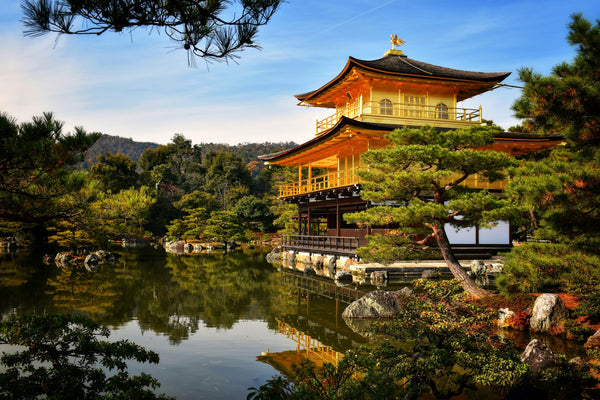
Now moving to Kyoto, Kinkakuji Temple, also known as the Golden Pavilion, is a captivating destination for travelers in Japan. Located in the historic city of Kyoto, this temple not only draws attention with its magnificent architectural beauty but also radiates a rich culture and history, making it one of the icons in the land of the rising sun.
The pavilion's structure, covered in gold leaf, not only appears beautiful amidst the lush gardens but also brings to life the legends of Japanese culture. With its unparalleled allure, this temple serves as a magnet for art, history, and beauty enthusiasts who appreciate the richness of Japan's heritage.
For tourists who wish to experience the tranquility and beauty of Kinkakuji Temple without being crowded, it is advisable to arrive early in the morning before 10:00 AM. Make sure to bring drinking water to stay hydrated, and an umbrella or coat to cope with the cold weather. For easier travel, visitors can use public transportation such as buses or trains, with the option of a Kyoto bus pass.
7. Kurama Onsen

Who could pass up visiting an onsen during winter in Japan? Onsen, in Japanese, refers to hot spring baths, a traditional Japanese bathing experience. Kurama itself is a hot spring town nestled amidst the beautiful mountainous scenery north of Kyoto.
Known for Kurama Temple perched atop a hill, you can visit this place by taking the Eizan tourist train from Demachiyanagi Station in Kyoto. The journey takes 30-45 minutes, and you only need to pay 420 yen for the cable car to enjoy the beautiful mountains and hot springs. Nearby, Yuki Jinja Shrine stands out with the Kurama Fire Festival held every October 22nd.
8. Arashiyama
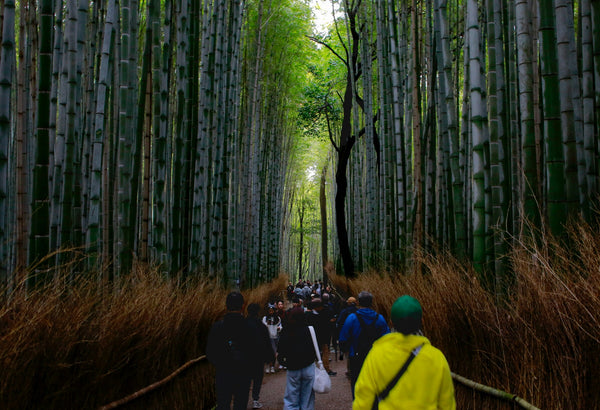
Save the best for the last! This iconic Kyoto landscape is indeed very popular and holds a unique charm. It is the Bamboo Forest in Arashiyama, also known as the Sagano Bamboo Forest. Not just a tourist destination, this forest is an impressive work of natural art.
In Japan, bamboo is not just a plant; it also symbolizes strength and prosperity. This bamboo forest is open 24 hours a day, offering every visitor the chance to have an unforgettable experience.
After visiting the Arashiyama Bamboo Forest, don't forget to make Fushimi Inari-Taisha Shrine and Kinkaku-ji Temple your next destinations. Although crowded during holidays, it's best to arrive earlier or use the north exit of Tenryu-ji Temple to avoid crowds and enjoy the tranquility.
Now that you know which destinations are perfect for a winter holiday, it's time to pack! Prepare appropriate winter clothing such as a sweater, and a thick jacket or fur coat, especially if your destination is a mountainous area. Remember, winter weather in Japan can range from below 0°C to 10°C (depending on the region you visit). Combine with layered clothing to keep your body cozy.
Additionally, make sure to bring warm accessories like a hat that covers your ears, gloves, and a scarf. For shoes, wear special boots to avoid the risk of slipping, especially if it snows. Don't forget to also prepare heat packs that you can get at convenience stores in Japan for extra warmth for your body.
Now you can pack everything in a cabin-sized or checked luggage, as needed. Prepare your trip with luggage that not only fits all your essentials but also makes your journey safer and more comfortable. Find various sizes and colors of Baller luggage here: Baller Luggage.