


Understand the Ban on Smart Luggage on Planes and Safe Alternatives

As technology advances, electric luggage or smart luggage has become increasingly popular among travelers. This luggage offers advanced features that help users stay connected and make travel easier. However, many airlines now prohibit the use of electric luggage, especially in the aircraft cabin.
What is Electric Luggage?
Electric luggage or smart luggage is a type of suitcase equipped with advanced technology to enhance its functionality. This luggage typically includes a lithium-ion battery that enables features such as charging (power bank) for electronic devices, GPS tracking, digital scales, and some models even have the ability to move independently following their owner via sensors or remote control.
Rules for Prohibiting Electric Luggage on Planes
Rules regarding the use of electric luggage on planes vary, although generally Angkasa Pura, as the airport operator in Indonesia, permits it. However, the final decision remains subject to the policies of each airline. The primary reason behind the ban on electric luggage is the use of lithium batteries, which are considered high-risk if damaged or malfunctioning during a flight.
According to the official FAA (Federal Aviation Administration) website, lithium batteries, such as those found in cell phones, laptops, and power banks, can be dangerous if damaged, overheated, or mishandled. Therefore, spare batteries, like power banks, must be carried in cabin baggage, not in checked luggage. Also, ensure battery terminals are protected to prevent short-circuiting, for example by covering them with tape. Battery size and capacity are also restricted. If you carry large batteries, you need permission from the airline. Additionally, damaged or recalled batteries are not allowed, unless they have been deactivated or deemed safe.
Circular Letter of the Director General of Air Transportation Number SE 02 Year 2023 also emphasizes the importance of caution regarding lithium batteries and devices containing them when carried by passengers and crew.
Furthermore, Indonesian airlines like Garuda and Citilink have also established rules about electric luggage on their official websites. So, always check each airline's policy if you wish to bring electric luggage to ensure a safe and smooth journey.
Risks and Dangers of Carrying Electric Luggage
One of the main risks of using electric luggage on an airplane is the potential for fire caused by the lithium-ion batteries inside. History shows that these types of batteries can ignite if damaged, exposed to high temperatures, or if there is a charging error.
A fire incident reported by the FAA on April 28, 1999, demonstrates the seriousness of this threat. This fire destroyed cargo, including lithium batteries, on two aircraft cargo pallets. The incident occurred at the Northwest Airlines cargo facility at Los Angeles International Airport.
Electric luggage can also be a distraction during flights. This luggage uses electric motors to move, and if not used correctly, it can cause problems with space arrangement inside the aircraft. For example, the luggage could block evacuation routes, making it difficult for passengers and crew in emergency situations.
Besides posing risks inside the aircraft, the use of electric luggage on public roads can also create significant dangers. In Japan, electric luggage is classified as a motor vehicle and is governed by traffic laws. To use it, owners are required to have a driver's license and comply with established safety requirements. For instance, at Narita Airport and Haneda Airport, there have been incidents where electric luggage users drove at high speeds in terminal areas, endangering pedestrians and other road users.
Tips for Using Electric Luggage Safely When Traveling
To ensure safer use of electric luggage when traveling, there are several steps to consider. First, check the airline's policy on electric luggage before departure, as each airline may have different rules.
Second, make sure the luggage is equipped with a removable lithium-ion battery and meets safety standards, which are:
- The maximum battery capacity is 100 Wh or 20,000 mAh, and the battery must be removed from the luggage before boarding the plane.
- The weight of the luggage and its contents does not exceed 7 kilograms.
- The overall dimensions (including wheels and handle) do not exceed 56x36x23 cm or 115 cm linear.
If the luggage does not meet one of the above requirements, it is not allowed to be carried in the cabin or as checked baggage.
Furthermore, store the luggage in a safe place and avoid dropping it during transport to prevent damage to the battery. Ensure the battery is fully charged and turn off smart features like WiFi, Bluetooth, and GPS when not in use.
Alternatives to Electric Luggage When Traveling by Plane
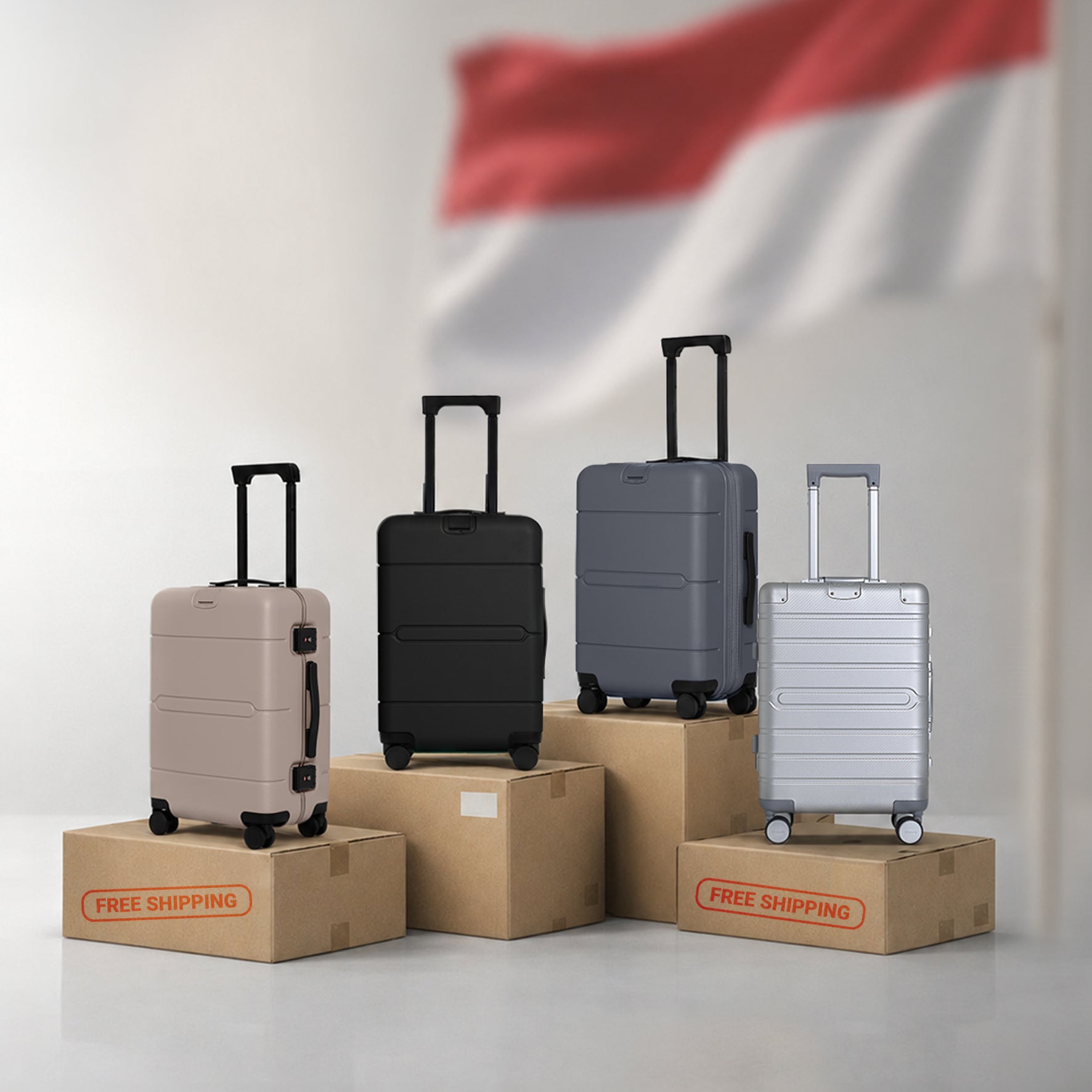
If electric luggage is not allowed when traveling by plane, there are several alternatives that are still practical and functional. One of the best options is a suitcase with 360-degree spinner wheels, which allow for easy mobility without having to lift heavy loads. This type of luggage does not use batteries, thus eliminating the risk of fire or other issues often associated with electric luggage.
Additionally, it is also important to consider the luggage material. Choose luggage made from strong materials such as polycarbonate to keep belongings safe and protected during travel. Luggage with organized compartments will also make it easier to arrange and access your belongings more efficiently.
By choosing the right luggage, your journey will feel more comfortable and safe. If you are looking for recommendations for stylish, strong, and functional luggage, read more in the article Recommendations for the Best Modern and Durable Luggage Brands from Baller Indonesia.