


Getting to Know the Aircraft Cabin and Rules You Must Know Before Flying

When traveling by plane, the cabin is the main space you will occupy during the flight. Ensuring comfort and safety during the flight is very important. However, do you know that there are various rules specifically designed to maintain comfort and safety inside the cabin? Read the full discussion here.
What is an Aircraft Cabin?
An aircraft cabin is the space inside a plane designated for passengers during a flight. This is where passengers sit, store their belongings, and enjoy various facilities provided by the airline. The cabin includes passenger seats, overhead storage (compartments above the head), and other facilities such as restrooms and galleys. In addition, cabin crew operate in this area to provide services, from serving food and beverages to ensuring safety procedures are properly implemented.
The primary function of an aircraft cabin is to provide comfort and safety for passengers. Therefore, the cabin design is made to meet international aviation safety standards. For example, seats are equipped with seatbelts, and there are emergency procedures that passengers must follow. In addition, the cabin is also designed to maintain stable air pressure and temperature, so passengers remain comfortable even at tens of thousands of feet.
Rules inside an aircraft cabin are very important to adhere to. This is intended to maintain order, avoid potential hazards, and ensure a pleasant flight experience for all passengers. For example, rules related to carry-on baggage aim to optimize storage space and prevent security risks.
Aircraft Cabin Suitcase Size and Weight Limits
Each airline has different rules regarding the size and weight of cabin suitcases. However, generally, the standard size for cabin suitcases usually ranges from 45 cm x 35 cm x 20 cm to 56 cm x 36 cm x 23 cm. The maximum allowed weight is generally 7 kg to 10 kg, depending on the airline's policy.
It is important to note that these rules can vary depending on the type of aircraft and flight route. For example, planes with smaller cabins may have stricter baggage size limits. Therefore, it is important to check the airline's policy before traveling. In addition, cabin suitcases that exceed the size or weight limits usually have to be checked in as hold baggage, which may incur additional fees.
Rules for Items Not Allowed in the Aircraft Cabin
For security reasons, there are several items that are prohibited from being brought into the aircraft cabin. These rules apply internationally and are strictly monitored by airlines. Here are some items that are not allowed in the cabin:
-
Sharp objects such as knives, scissors, or other cutting tools
-
Large quantities of liquids (more than 100 ml per container), except for medical needs or baby food
-
Flammable materials such as lighters, gas, or dangerous chemicals
- Firearms or replica weapons
-
High-capacity lithium batteries that do not comply with airline regulations
Airlines like Garuda Indonesia also have a more specific list of prohibited items, including explosives, toxic substances, and other items that can endanger flight safety. Therefore, be sure to check the list of prohibited items before packing your belongings.
Tips for Choosing the Ideal Cabin Suitcase for Travel
Choosing the right cabin suitcase can improve travel comfort and efficiency. Here are some tips for choosing a cabin suitcase that you can consider.
Size and Weight
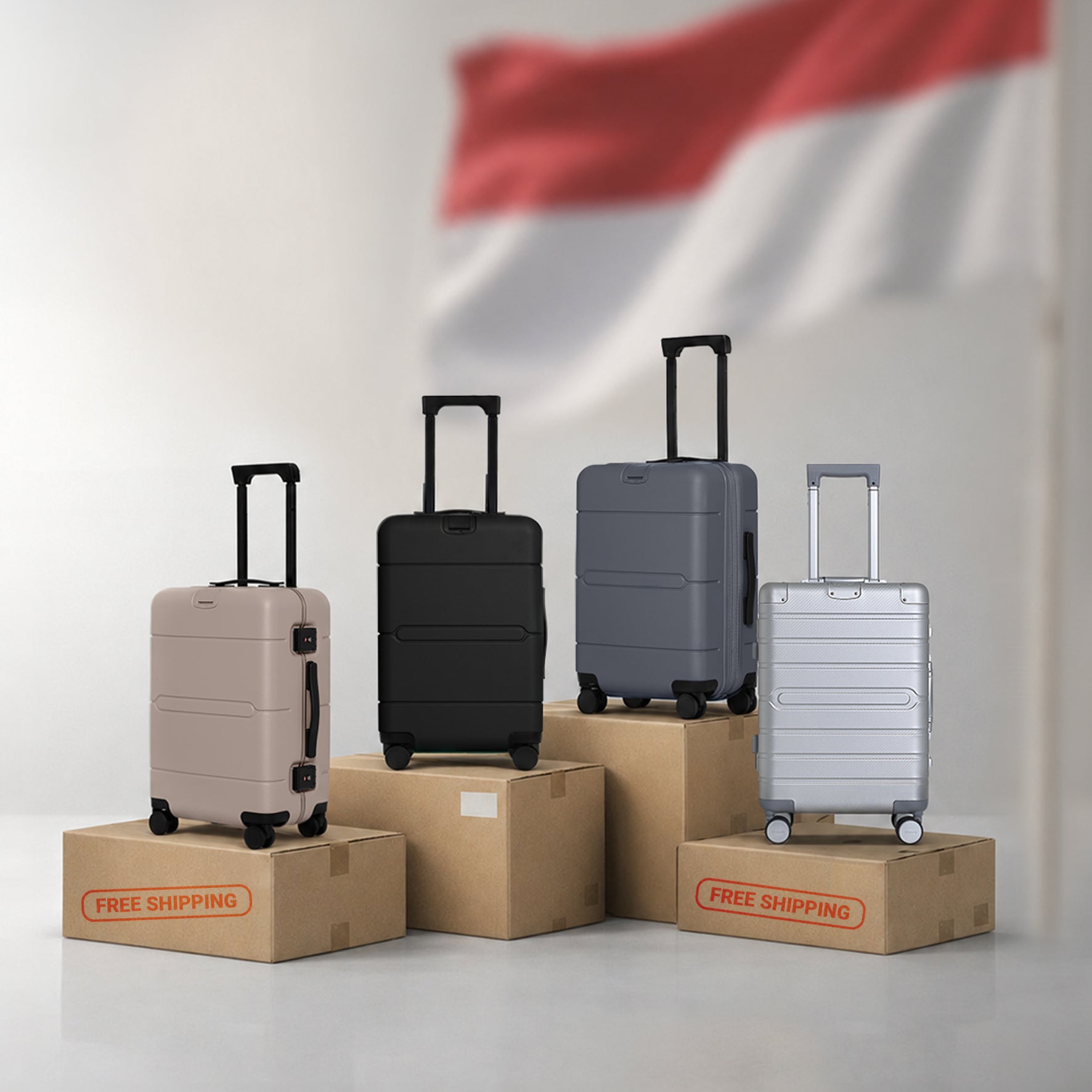
Ensure the suitcase complies with the size and weight limits set by the airline. A 20-inch suitcase is generally accepted by many airlines as carry-on baggage.
Material
Choose a lightweight yet strong material, such as polycarbonate or aluminum, to protect your belongings and facilitate mobility.
Design and Features
Consider a suitcase with organized compartments, 360-degree rotating wheels, and an ergonomic handle for ease of use.
Security
Ensure the suitcase is equipped with a lock that meets security standards, such as a combination lock or a TSA-approved lock (Transportation Security Administration).
By understanding and adhering to the rules applicable within the aircraft cabin, you can enjoy a safe and comfortable journey. In addition, choosing the right cabin suitcase will facilitate your mobility during travel. If you are looking for an ideal cabin suitcase, consider choosing a suitcase with security and comfort features that suit your travel needs such as 20-Inch Zipper Carry-On.